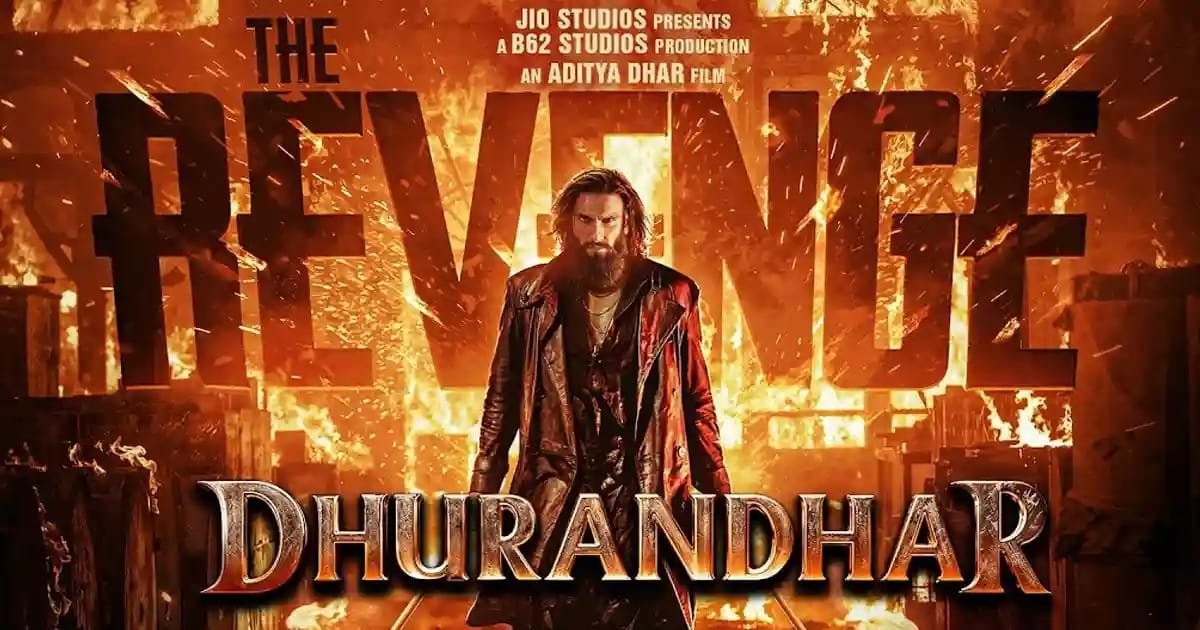

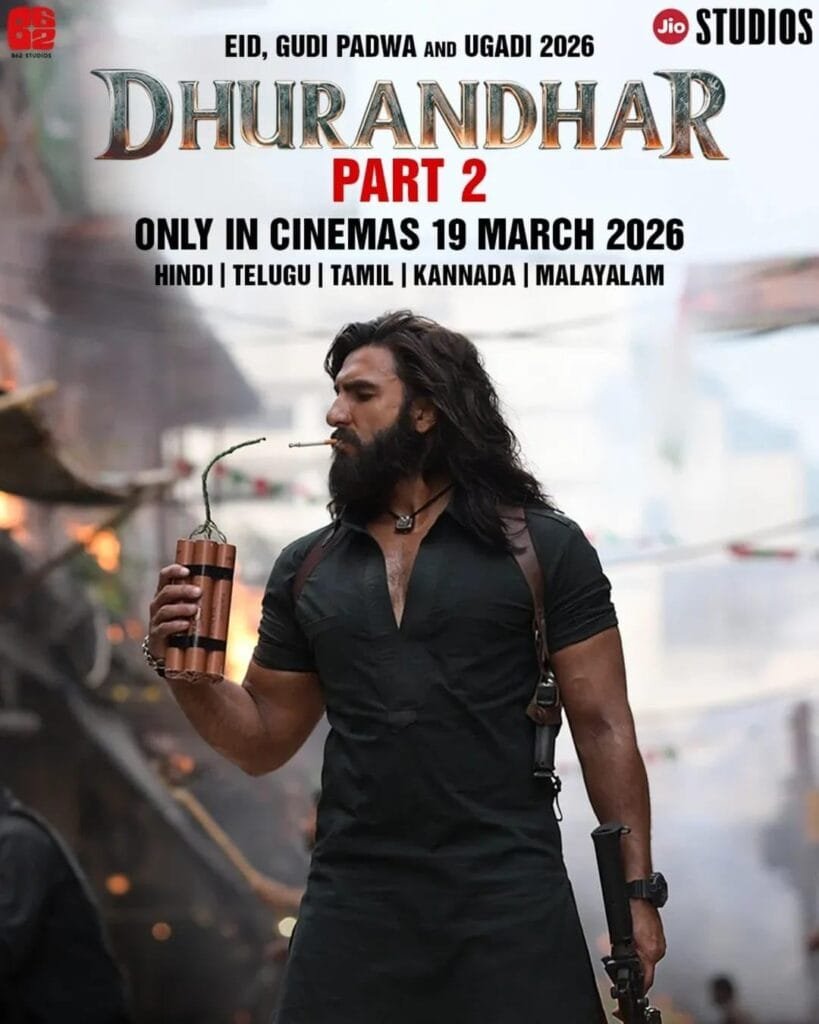
Following the massive box-office success of its predecessor, Dhurandhar: The Revenge arrives as the second half of Aditya Dhar’s sprawling espionage saga. While the first film was a polished, albeit controversial, thriller, the sequel leans heavily into its identity as a political statement. Spanning nearly four hours, the movie follows Jaskirat Singh Rangi (Ranveer Singh), an Indian operative embedded deep in the Karachi underworld under the alias Hamza Ali Mazari. Picking up after the 2008 Mumbai attacks, the film shifts from a “hide-and-seek” spy game into a full-blown, blood-soaked revenge fantasy.
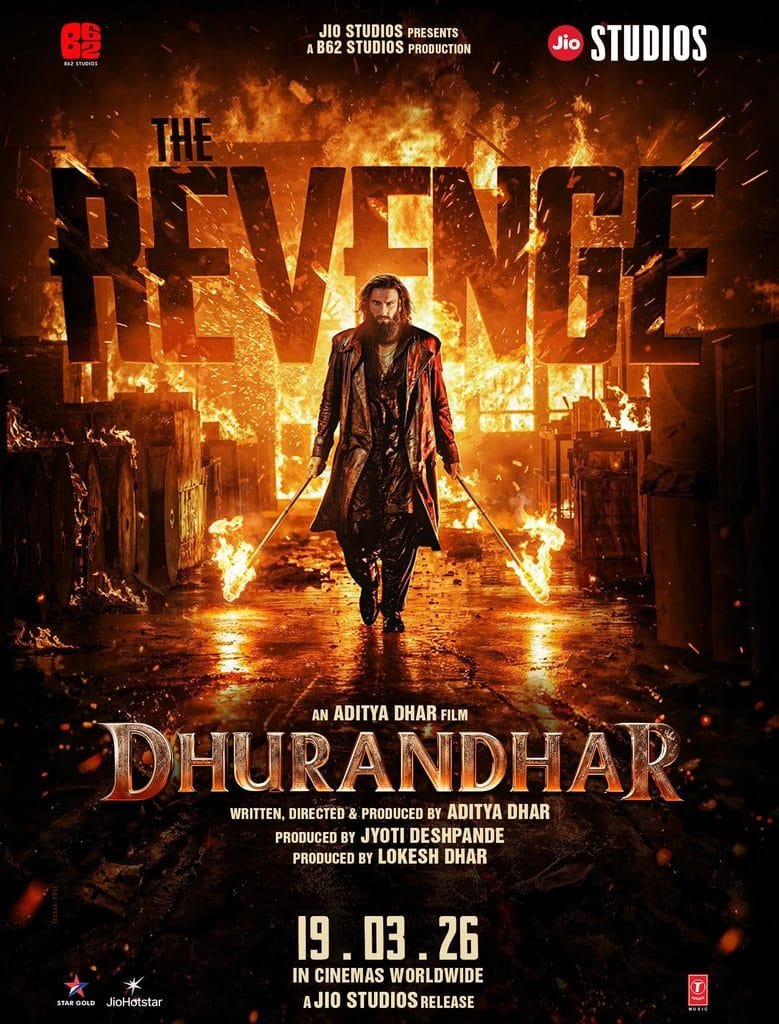
Direction and Narrative
Aditya Dhar departs from the structured storytelling of the first installment, opting for an episodic “Chapter” format. The narrative is less about complex plotting and more about a singular, unstoppable hero smashing through obstacles. The film serves as a masterclass in political messaging, often blurring the lines between cinema and a campaign rally. It boldly credits various historical events and economic policies—like demonetization—to a specific political era, framing them as genius “5D chess” moves against terror. While the director succeeds in creating a high-stakes atmosphere, the film often sacrifices dramatic depth for jingoistic sentiment, making it feel more like a series of viral “WhatsApp forwards” brought to life on the big screen.
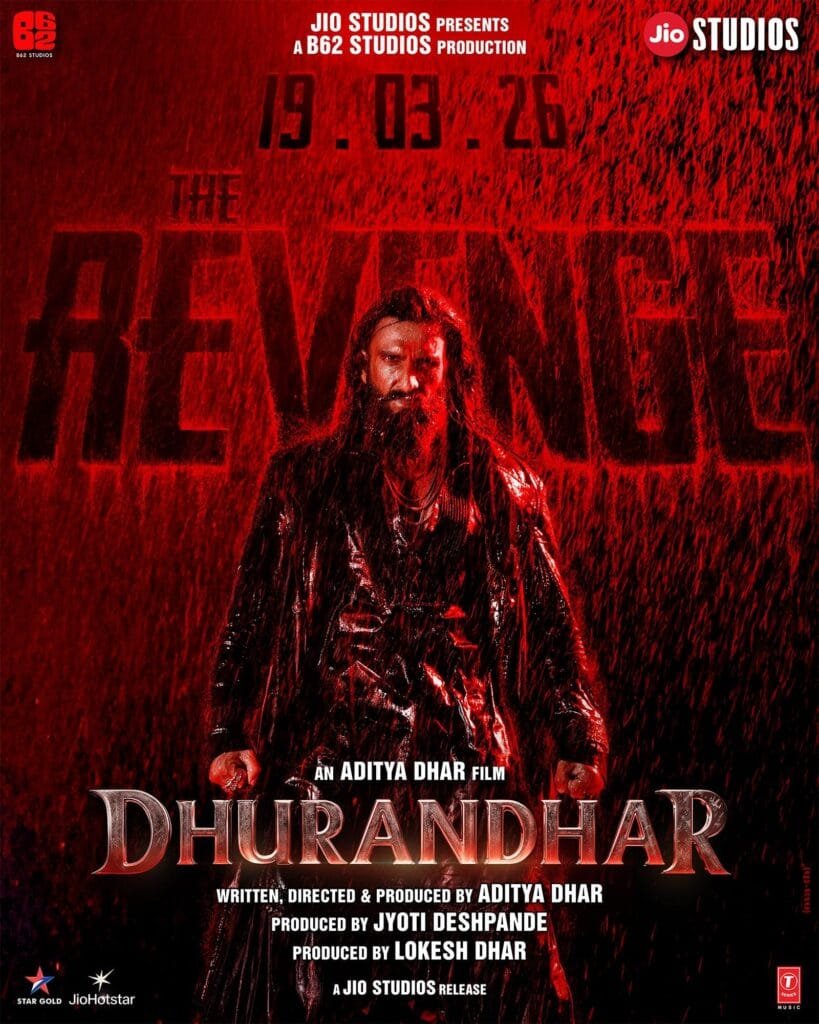
Acting
Carrying the film on his shoulders, Ranveer delivers a high-energy performance. His “Hamza” is a masculine powerhouse, though the script gives him less emotional range here than in the first part. He remains the most engaging element, even when the plot thins. Reprising R Madhavans role as spymaster Ajay Sanyal, Madhavan provides the calm, calculating backbone to the operation, though his character is often relegated to delivering expository dialogue about government power. Arjun Rampal returns as the gold-toothed villain, though he feels somewhat “de-fanged” compared to the first film. Sanjay Dutt joins as a Pakistani cop but has limited impact. Sara Arjun makes the most of her brief scenes as the lone female presence, and Rakesh Bedi delivers a surprising twist as a long-term sleeper agent.
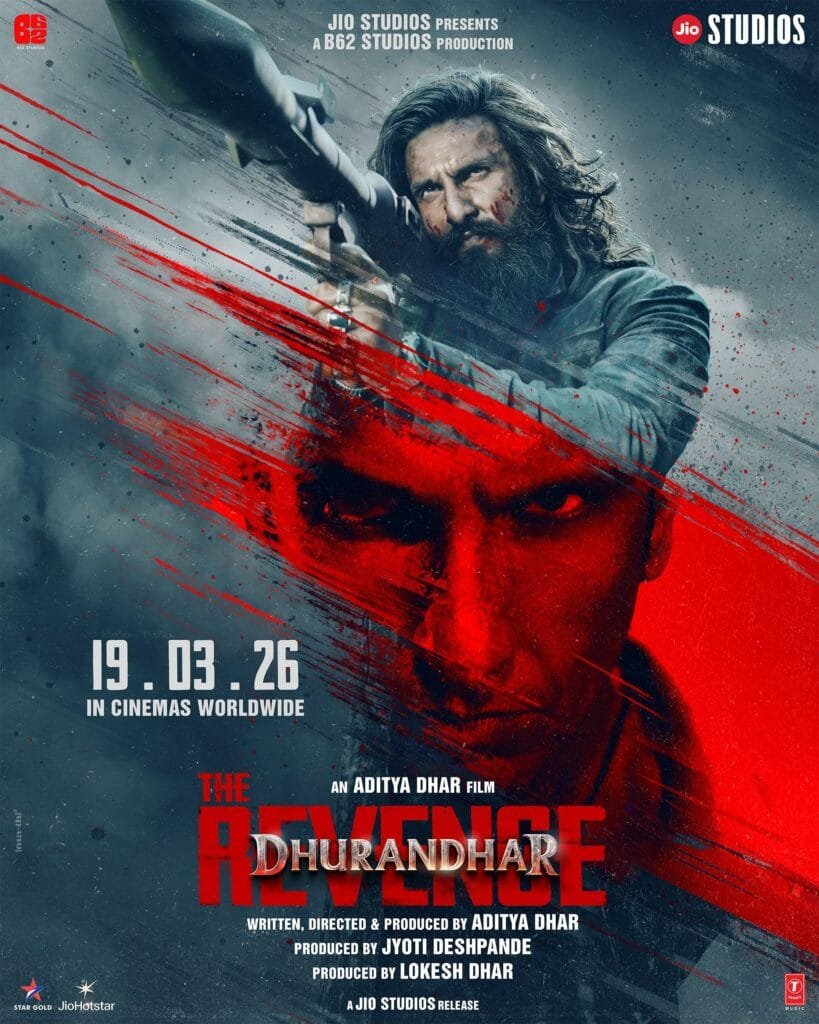
Technical Perspectives
Technically, the film is a brutal assault on the senses. The cinematography zips through the narrow, dangerous streets of the Lyari district in Karachi, capturing sprawling action sequences. However, the editing in this sequel feels less polished than the original, likely due to a rushed production schedule. The violence is unprecedented for a mainstream commercial film. It is graphic, “A-rated,” and features everything from dismemberment to visceral torture. While well-choreographed, the sheer volume of gore eventually leads to a sense of numbness rather than tension.
Music and Sound
The first film was praised for its “acoustic sleight of hand,” mixing Bollywood classics with modern beats to create a sense of nostalgia. Dhurandhar 2 continues this trend but with less finesse. The music is often used to glamorize the bloodshed, providing an upbeat tempo to scenes of extreme carnage. While catchy, the “musical flourishes” that defined the first part feel a bit more repetitive here.
Overall
Dhurandhar: The Revenge is less of a movie and more of a cultural event. It thrives on the “New India” sentiment, worshiping masculine heroism and violence as a patriotic duty. While it remains watchable due to Ranveer Singh’s charisma and the high-octane action, it lacks the soul and dramatic tension of the first part. It is a loud, overstuffed, and unapologetic work of propaganda that will thrill its target audience but may leave others feeling exhausted by its nearly four-hour runtime.